ଏହି ତଥ୍ୟର ଫରକ ହିଁ ironyର ଆଧାର। “The postmaster knows where the money came from. Lencho knows only how much he asked for and how much he received.” ଦୁଇ ଚରିତ୍ର ଭିନ୍ନ ତଥ୍ୟ ନେଇ ସେହି ଘଟଣା ବିଚାର କରୁଛନ୍ତି।
Negative for emphasisରେ not the slightest surprise କହିବା କିଞ୍ଚିତ୍ ମଧ୍ୟ ଆଶ୍ଚର୍ଯ୍ୟ ଲାଗିନଥିଲା ବୋଲି ଜୋର ଦିଏ। ସମ୍ବାଦ ଲେଖାରେ ଘଟଣା ଓ ଦାବିକୁ ଏମିତି ଅଲଗା ରଖିହେବ।
“Postal workers collected money for a farmer after a storm destroyed his crop. In his reply, the farmer claimed that part of the money was missing. He did not know who had supplied it.” Claimed ଶବ୍ଦରେ ଅଭିଯୋଗଟି Lenchoଙ୍କର, ସମ୍ବାଦଲେଖକ ନିଜେ ଚୋରି ଦେଖିଥିବା ଦାବି କରୁନାହାନ୍ତି।
The men in the post office raise money out of sympathy. Lencho trusts that God sent the full sum and concludes that those men kept the balance. The accusation falls on the very people whose generosity saved him from receiving nothing. ଉପକାରୀଙ୍କୁ ଚୋର ଭାବିବା ହିଁ ଶେଷ ଘଟଣାର ବିଡ଼ମ୍ବନା।
At first the strange address amused the postmaster. Once he understood the farmer’s need, he wanted to preserve his faith. A written assurance alone would not feed the family. He contributed part of his salary and collected donations from employees and friends. He sent seventy pesos in God’s name. Lencho believed God had sent the whole hundred. His second letter accused the postal workers of keeping thirty pesos. ଉତ୍ତରରେ ପ୍ରେରଣା, କାମ ଓ ଅପ୍ରତ୍ୟାଶିତ ଫଳକୁ ଯୋଡ଼ନ୍ତୁ।
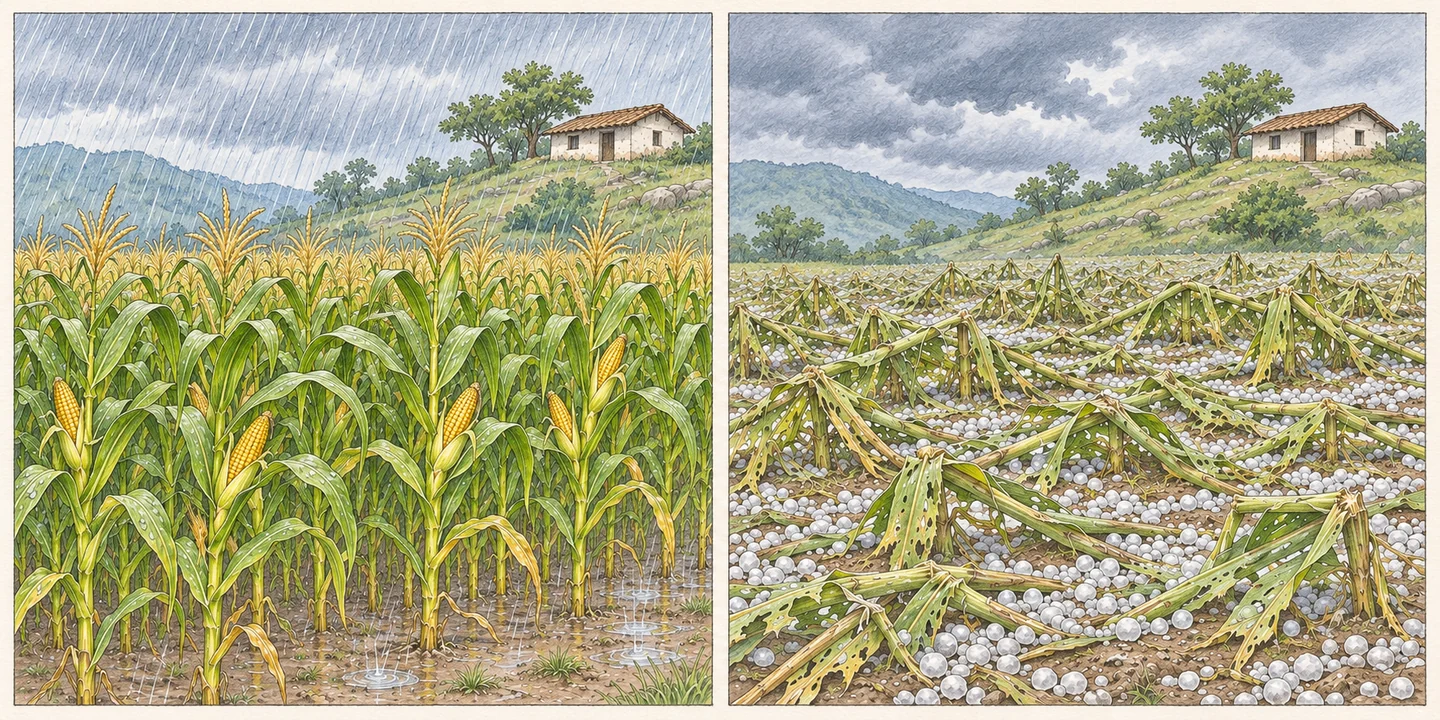
Raindrops look like the promise of money from a good crop. The hailstones look even more like silver coins, yet they destroy the very crop that would have earned it. The same image changes from hope to loss.
At first Lencho welcomes rain as the promise of a harvest. The hail turns that pleasure into despair because his field is destroyed. Faith then gives him hope and moves him to write for help. He is confident when he sees the reply, but the missing money makes him angry. His belief in God remains constant while his judgement of the postal employees becomes unjust. ଘଟଣାକ୍ରମ ସହିତ ମନୋଭାବର କ୍ରମ ଦେଖାନ୍ତୁ।
The family depended on that crop for food and income. Lencho needed both the means to sow again and support until the next crop came. କେବଳ ସେଦିନର କ୍ଷତି ନୁହେଁ, ପର ଅମଳ ଯାଏ ଚଳିବାର ପ୍ରଶ୍ନ ଥିଲା।
The first letter shows that faith gives Lencho hope after his crop has been ruined. He makes a definite request for the money needed to sow again and survive until harvest. His second letter shows the same confidence in God, but also a limitation in his reasoning. Because he assumes God must have sent everything, he blames innocent workers for the missing sum. ଦୁଇ ଚିଠିର ପ୍ରମାଣକୁ ଏକାଠି ବିଚାର କରନ୍ତୁ।
Lencho needed money for food and sowing after the hailstorm. A letter without practical help would not meet that need or preserve his confidence in the answer.
Lencho responds to the loss by writing to God. He names a sum and explains why he needs it. The postmaster responds by collecting what he can from real people. Both take action, yet only the reader sees both sides. Because Lencho cannot see the collection, he misreads a generous but incomplete gift as evidence of theft.
A · Lead-inUse the title to predict how Lencho’s letter might bring help, then check the story.
ଉତ୍ତର ଦେଖନ୍ତୁ
A reader might predict that somebody at the post office will see the letter and help the farmer. That happens when the postmaster organises a collection. Lencho, however, believes that the answer came from God. A class discussion can compare this outcome with each pupil’s first prediction and personal experience. ଲେଖକଙ୍କ କାହାଣୀ ଓ ଛାତ୍ରଙ୍କ ନିଜସ୍ୱ ବିଶ୍ୱାସ ବା ଅନୁଭବ ପୃଥକ।
E. 1–4Give Lencho’s home, hope and first impression of the rain. How did the weather change?
ଉତ୍ତର ଦେଖନ୍ତୁ
1. He lived in the only house in the valley, on a low hill. 2. He hoped for rain for his corn. 3. The drops looked like coins promising a good income. 4. A strong wind came and hail fell with the rain.
E. 5–8What was lost, whom did he trust and who opened his letter?
ଉତ୍ତର ଦେଖନ୍ତୁ
5. The hail destroyed the corn and its flowers. 6. He trusted God. 7. He wrote to God. 8. A postal employee showed the letter to the postmaster, who read it.
E. 9–11Explain the postmaster’s action and Lencho’s two reactions.
ଉତ୍ତର ଦେଖନ୍ତୁ
9. He collected money and sent it in God’s name. 10. Lencho was unsurprised because of his faith. 11. On counting only seventy pesos, he became angry and requested the balance by a different route.
F (a) i–viExplain the farmer’s reasoning and the employees’ possible response.
ଉତ୍ତର ଦେଖନ୍ତୁ
i. He needed rain for his corn. ii. Hailstones covered the field. iii. Rain meant a good crop and income. iv. He felt locusts would have left more than the hail did. v. He did not investigate because he was sure God had answered. vi. The employees might have felt hurt or astonished by the accusation. ଶେଷ ଉତ୍ତରଟି ପାଠରୁ ଅନୁମାନ।
F (b) i–vInterpret the expressions about Lencho and the postmaster.
ଉତ୍ତର ଦେଖନ୍ତୁ
i. God. ii. He was strong and worked very hard. iii. The postmaster was friendly and generous. iv. He wanted to keep the farmer’s faith alive. v. It means helping someone in need without expecting repayment.
G (ii) 1–6Explain how the meaning of hope changes across the six examples.
ଉତ୍ତର ଦେଖନ୍ତୁ
1. Wanting a result thought possible. 2. A polite wish that one’s words will not offend. 3. A renewed expectation of something good. 4. Wishing for an unlikely result. 5. Acting with an expectation that may or may not come true. 6. Having stopped expecting the good outcome. ଏକା ଶବ୍ଦ ପାଇଁ ପ୍ରସଙ୍ଗ ଅନୁସାରେ ଆଶା, ଭଦ୍ର ଅନୁରୋଧ, ଅତି କ୍ଷୀଣ ଆଶା ବା ଆଶା ଛାଡ଼ିବା ବୁଝାଯାଏ।
H · Role-playPrepare the parent-and-child exchange orally.
ଉତ୍ତର ଦେଖନ୍ତୁ
Father: Why are you still awake? Child: I want to revise the story. Father: Can you explain why Lencho felt angry?
Child: He had received less than he had asked for. Father: Then write down that reason and rest. ଏହା ନମୁନା ସଂଳାପ। ସାଥୀଙ୍କ ସହିତ ନିଜ ଭାଷାରେ ଭୂମିକା ବଦଳାଇ ଅଭ୍ୟାସ କରନ୍ତୁ।
I (i) · i–viJoin the pairs using non-defining relative clauses.
ଉତ୍ତର ଦେଖନ୍ତୁ
i. My mother, who cooks very well, is going to host a TV show on cooking. ii. Our institution, which works for public welfare, is highly popular. iii. Satish, who was fortunate, scored a goal in the last minute. iv. Mother Teresa, who served mankind, is revered as a saint. v. I often go to Mumbai, which is the commercial capital of India. vi. These sportspersons, whose performance has been excellent, are going to meet the President. ବ୍ୟକ୍ତି ପାଇଁ who, ସ୍ଥାନ ବା ସଂସ୍ଥା ପାଇଁ which, ସମ୍ବନ୍ଧ ପାଇଁ whose।
I (ii) · 1–3Find the three emphatic negative constructions.
ଉତ୍ତର ଦେଖନ୍ତୁ
1. The negative begins with “Not a leaf”: every leaf had gone. 2. The phrase “nothing less than” stresses who the letter was for. 3. The postman had never before seen such an address. ନକାରାତ୍ମକ ଶବ୍ଦ ଏଠି ସମ୍ପୂର୍ଣ୍ଣ ନଷ୍ଟ, ଅସାଧାରଣ ପ୍ରାପକ ଓ ପ୍ରଥମ ଅନୁଭବକୁ ଜୋର ଦେଉଛି।
J (1) · ReportPlan the requested cyclone report using the printed newspaper model.
ଉତ୍ତର ଦେଖନ୍ତୁ
Imagined classroom report for The Indian Express. Headline: Cyclone disrupts village life in Odisha. Dateline: Coastal Odisha, Monday. A cyclone brought strong winds and rain to the area during the night. By morning, residents were checking their homes and fields and clearing branches from the road. Families gathered in a school building until the weather improved. The extent of damage was still being assessed. ଏହା କଳ୍ପିତ ଘଟଣା ନେଇ ଲେଖା ଅଭ୍ୟାସ, ପ୍ରକୃତ ଖବର ନୁହେଁ।