All Things Bright and Beautiful

ପାଠ୍ୟପୁସ୍ତକ · ମୂଳ PDF ଖୋଲନ୍ତୁ

1080p HD · ୧୦ଟି ସଚିତ୍ର ଚିତ୍ର · English + ଓଡ଼ିଆ ବ୍ୟାଖ୍ୟା

All Things Bright and Beautiful — C. F. Alexander (English + ଓଡ଼ିଆ)

Stanzas, imagery (purple-headed mountain, rushes, meadows), rhyme, alliteration & Q&A in Odia

MP4 ଡାଉନଲୋଡ୍

ବିସ୍ତୃତ ଟିପ୍ପଣୀ

୧୧ଟି ବିଷୟ
ଏହି ଅଧ୍ୟାୟର ବିଷୟସୂଚୀ

ସ୍ତବକ ୧ · ସୃଷ୍ଟିକୁ ଦେଖିବାର ଦୃଷ୍ଟି

କବି C. F. Alexander (Cecil Frances Alexander) ପ୍ରଥମେ ସମସ୍ତ ବସ୍ତୁ ଓ ପ୍ରାଣୀଙ୍କ କଥା ଏକାଠି କହନ୍ତି। Great ଓ small ପରସ୍ପର ବିପରୀତ ହେଲେ ମଧ୍ୟ ଉଭୟ ଏକା ସୃଷ୍ଟିର ଅଂଶ।

Allର ପୁନରାବୃତ୍ତି ଆରମ୍ଭରୁ କୌଣସି ଜୀବକୁ ଏହି ପ୍ରଶଂସାରୁ ବାଦ୍ ଦିଏ ନାହିଁ।

ମୂଳ ପୁସ୍ତକରେ ପଢ଼ନ୍ତୁ · PDF ପୃଷ୍ଠା ୧

Allରୁ eachକୁ · ନିକଟରୁ ପଢ଼ିବା

ପ୍ରଥମ ସ୍ତବକରେ କବି all ଶବ୍ଦକୁ ବାରମ୍ବାର ରଖି ଗୋଟିଏ ବଡ଼ କଥା କହିଛନ୍ତି। ପର ସ୍ତବକରେ each ଶବ୍ଦଟି ଆମକୁ ପ୍ରତ୍ୟେକ ଛୋଟ ଫୁଲ ଓ ପକ୍ଷୀ ପାଖକୁ ନେଇଯାଏ।

ଦୁଇଟି ଶବ୍ଦର ଏହି କ୍ରମ କବିତାର ଭାବକୁ ସ୍ପଷ୍ଟ କରେ। “God made everything” ଲେଖିଲେ କବିଙ୍କ ମତ ମିଳେ।

“Even the wings of a small bird are part of that creation” ଯୋଡ଼ିଲେ ସେ କିପରି ଏହି ମତକୁ ଦୃଶ୍ୟମାନ କରିଛନ୍ତି ତାହା ମଧ୍ୟ ମିଳେ। ପଙ୍କ୍ତିରେ little ଥିବାରୁ ଫୁଲ ବା ପକ୍ଷୀର ମୂଲ୍ୟ କମିଯାଏ ନାହିଁ।

ମୂଳ ପୁସ୍ତକରେ ପଢ଼ନ୍ତୁ · PDF ପୃଷ୍ଠା ୧–୨

ପ୍ରାର୍ଥନାର ଗଠନ · ଦୃଶ୍ୟରୁ କୃତଜ୍ଞତାକୁ ଏକ ନମୁନା ପଢ଼ା

ପ୍ରଥମେ ବସ୍ତୁଟିକୁ ନାମ ଦିଅ, ତା’ପରେ କେଉଁ ଇନ୍ଦ୍ରିୟରେ ତାହା ଜଣା ପଡ଼େ ଦେଖ, ଶେଷରେ ବକ୍ତା ସେହି ଅନୁଭବକୁ କାହାର ଦାନ ଭାବନ୍ତି କହ। ପକ୍ଷୀ ପାଇଁ ଆଖିକୁ ଛୋଟ ଡେଣା ଦିଶେ ଓ କାନକୁ ଗୀତ ଶୁଭେ।

ଶୀତ ଓ ଗ୍ରୀଷ୍ମ ପାଇଁ ଶରୀର ବାୟୁ ଓ ଉତ୍ତାପର ତାରତମ୍ୟ ଅନୁଭବ କରେ। ଫୁଲର ରଙ୍ଗ ଓ ମଣିଷର ଦୃଷ୍ଟିକୁ ଏକାଠି କଲେ ପ୍ରଶଂସାର ଭାବ ସ୍ପଷ୍ଟ ହୁଏ।

ଇଂରାଜୀରେ ଏହାକୁ ଏଭଳି କୁହାଯାଇପାରେ। “The poem first gives the reader something to notice. A small bird has wings that the eye can see and a song that the ear can recognise. The ending turns from what people receive to what they can do in return. Their lips allow them to acknowledge the giver.” ଶେଷ ବାକ୍ୟର lips ହେଉଛି କେବଳ ଅଙ୍ଗର ନାମ ନୁହେଁ, ଭାଷାରେ ଧନ୍ୟବାଦ କହିବାର ସାମର୍ଥ୍ୟ।

ଏହି ସମ୍ପର୍କ ଯୋଗୁଁ କବିତାଟି ବର୍ଣ୍ଣନା ଓ ସ୍ତୁତି ଉଭୟ ହୋଇପାରିଛି।

ମୂଳ ପୁସ୍ତକରେ ପଢ଼ନ୍ତୁ · PDF ପୃଷ୍ଠା ୧–୫

ସ୍ତବକ ୨–୩ · ଫୁଲ, ପକ୍ଷୀ ଓ ପର୍ବତ

ଖୋଲୁଥିବା ଫୁଲର ଉଜ୍ଜ୍ୱଳ ରଙ୍ଗ ଚକ୍ଷୁରେ ଧରାପଡ଼େ, ଛୋଟ ପକ୍ଷୀର ଗୀତ କାନରେ ଶୁଣାଯାଏ। Tiny wings କହି କବି ଅତି କ୍ଷୁଦ୍ର ଗଠନକୁ ଦେଖାନ୍ତି।

ତା’ପରେ ଦୃଷ୍ଟି ବିସ୍ତାରିତ ହୋଇ ପର୍ବତଶିଖର, ପାଖରେ ବହୁଥିବା ନଦୀ ଓ ସକାଳ–ସନ୍ଧ୍ୟାର ଆକାଶରେ ପହଞ୍ଚେ।

ମୂଳ ପୁସ୍ତକରେ ପଢ଼ନ୍ତୁ · PDF ପୃଷ୍ଠା ୨

ସ୍ତବକ ୪–୫ · ଋତୁ ଓ ମଣିଷର ଦିନଚର୍ଯ୍ୟା

ଶୀତର ଥଣ୍ଡା ପବନ ପରେ ଗ୍ରୀଷ୍ମର ସୂର୍ଯ୍ୟ ସୁଖଦ ଲାଗେ। ବଗିଚାର ପାଚିଲା ଫଳ, ଖେଳିବା ପାଇଁ meadows ବା ଘାସପଡ଼ିଆ ଓ ଜଳକୂଳରୁ ସଂଗ୍ରହ ହେଉଥିବା rushes ପ୍ରକୃତିକୁ ମଣିଷର ନିତିଦିନିଆ କାମ ସହ ଯୋଡ଼େ।

ମୂଳ ପୁସ୍ତକରେ ପଢ଼ନ୍ତୁ · PDF ପୃଷ୍ଠା ୨

ସ୍ତବକ ୬ · ଦେଖିବାରୁ କୃତଜ୍ଞତା

ଚକ୍ଷୁ ଏ ସମସ୍ତ ଦେଖେ, ଓଷ୍ଠ ତାହାର ସ୍ରଷ୍ଟାଙ୍କ ପ୍ରଶଂସା କରିପାରେ। ଏଣୁ ଶେଷ ସ୍ତବକଟି ଦୃଶ୍ୟର ତାଲିକାକୁ ପ୍ରାର୍ଥନାରେ ପରିଣତ କରେ।

Almighty ଅର୍ଥ ସର୍ବଶକ୍ତିମାନ। ପାଠଟି ଶିଶୁମାନଙ୍କ ପାଇଁ ଲିଖିତ ଏକ hymn ବା ସ୍ତୁତିଗୀତ।

ମୂଳ ପୁସ୍ତକରେ ପଢ଼ନ୍ତୁ · PDF ପୃଷ୍ଠା ୨–୩

Purple-headed ଓ rushes · ଦୁଇଟି ଭିନ୍ନ ପ୍ରଶ୍ନ

ପର୍ବତର ଆକାର କେମିତି ଓ ପର୍ବତର ଶିଖର କାହିଁକି ବାଇଗଣୀ ଦିଶେ ଦୁଇଟି ଅଲଗା ପ୍ରଶ୍ନ। ପାଠର glossary ଅନୁସାରେ ସନ୍ଧ୍ୟା ସୂର୍ଯ୍ୟର କିରଣ ମୁଣ୍ଡରେ ପଡ଼ିଲେ ସେହି ରଙ୍ଗ ଦିଶେ।

ରଙ୍ଗଟି ଦିନର ସମୟ ସହ ମଧ୍ୟ ଜଡ଼ିତ। ଜଳକୂଳର rushes ବିଷୟରେ କେଉଁଠି ଓ କାହିଁକି ପଚାରିଲେ, ପ୍ରଥମ ଉତ୍ତର waterside, ଦ୍ୱିତୀୟରେ ମଣିଷ ଏଗୁଡ଼ିକୁ ସଂଗ୍ରହ କରନ୍ତି ଓ କେତେକରୁ ଆସନ ବା ଝୁଡ଼ି ବୁଣାଯାଏ।

ଚକ୍ଷୁରେ ଦିଶୁଥିବା ସୌନ୍ଦର୍ଯ୍ୟରୁ କବି ଏଠାରେ ବ୍ୟବହାର ଦିଗକୁ ଯାଆନ୍ତି।

ମୂଳ ପୁସ୍ତକରେ ପଢ଼ନ୍ତୁ · PDF ପୃଷ୍ଠା ୨–୩

ଶବ୍ଦର ଧ୍ୱନି ଓ ଲେଖାରେ ପ୍ରୟୋଗ

ଦୁଇଟି ଶବ୍ଦର ଶେଷ ଧ୍ୱନି ମେଳିଲେ rhyme ହୁଏ, ଯଥା sings ଓ wings। ପ୍ରଥମ ଧ୍ୱନି ପୁଣି ଆସିବାର ଉଦାହରଣ tall trees।

କବିତା ପଢ଼ିବାବେଳେ ପଙ୍କ୍ତିର ଶେଷ ଶବ୍ଦ ଶୁଣ, ପରେ ଗଛ ବିଷୟରେ ନିଜେ ଲେଖିବାବେଳେ ଦୃଶ୍ୟ, ଉପକାର ଓ ତାହା ପ୍ରତି ଅନୁଭବକୁ ଯୋଡ଼।

ମୂଳ ପୁସ୍ତକରେ ପଢ଼ନ୍ତୁ · PDF ପୃଷ୍ଠା ୪–୭

ସ୍ତବକର ଶବ୍ଦକ୍ରମ ଓ ଗଛ ଉପରେ ନମୁନା ଲେଖା

ଛାପା ସ୍ତବକ ସହ ବଦଳାଯାଇଥିବା ଧାଡ଼ି ମିଳାଇବାବେଳେ ଶେଷ ଧ୍ୱନିଗୁଡ଼ିକୁ ପ୍ରଥମେ ଉଚ୍ଚାରଣ କର। ଅର୍ଥ ମୋଟାମୋଟି ସମାନ ଥିଲେ ମଧ୍ୟ ଶବ୍ଦର ସ୍ଥାନ ବଦଳିଲେ ଶୁଣାଯାଉଥିବା ମେଳ ବଦଳିପାରେ।

ଗଛ ବିଷୟରେ ନିଜ ଲେଖାରେ ଗୋଟିଏ ନିର୍ଦ୍ଦିଷ୍ଟ ବ୍ୟବହାରକୁ ଗୋଟିଏ ଦୃଶ୍ୟ ସହ ଯୋଡ଼। ଉଦାହରଣ, “The tall tree gives children shade while they play. Its wood can also be used to make the furniture in a house.” ପ୍ରଥମ ବାକ୍ୟ କବିତାର ଖେଳର ଦୃଶ୍ୟ ସହ ଯୋଡ଼େ ଓ ଦ୍ୱିତୀୟଟି ଲେଖାର ସୂତ୍ରକୁ ବିକାଶ କରେ।

ମୂଳ ପୁସ୍ତକରେ ପଢ଼ନ୍ତୁ · PDF ପୃଷ୍ଠା ୪–୭

Observationରୁ praise ପର୍ଯ୍ୟନ୍ତ କବିତାର କ୍ରମ

ଗୋଟିଏ ଫୁଲ ବା ପକ୍ଷୀର ନାମ ପାଖରେ କବି ଯେଉଁ ଗୁଣଟି ଦେଖୁଛନ୍ତି ତାହା ଲେଖ। ଶେଷ ସ୍ତବକରେ ଏମିତି ସମସ୍ତ ଗୁଣ ଚିହ୍ନିଥିବା ଦର୍ଶକ ନିଜେ ଗୀତରେ କହିବାକୁ ଆରମ୍ଭ କରେ।

ଚିତ୍ରକବିତାରେ ତାହାର କାମ
ଫୁଲର ରଙ୍ଗ ଓ ପକ୍ଷୀର ଡେଣା‘bright’, ‘beautiful’କୁ ଦେଖିପାରିବା ଉଦାହରଣ ମିଳେ।
ଆଖି ଓ ଓଠଏସବୁ ଚିହ୍ନିବା ଓ ସ୍ରଷ୍ଟାଙ୍କୁ ପ୍ରଶଂସା କରିବାର ଦୁଇଟି ଉପହାର।
ମୂଳ ପୁସ୍ତକରେ ପଢ଼ନ୍ତୁ · PDF ପୃଷ୍ଠା ୨–୩

Nature’s Splendour in the Poem

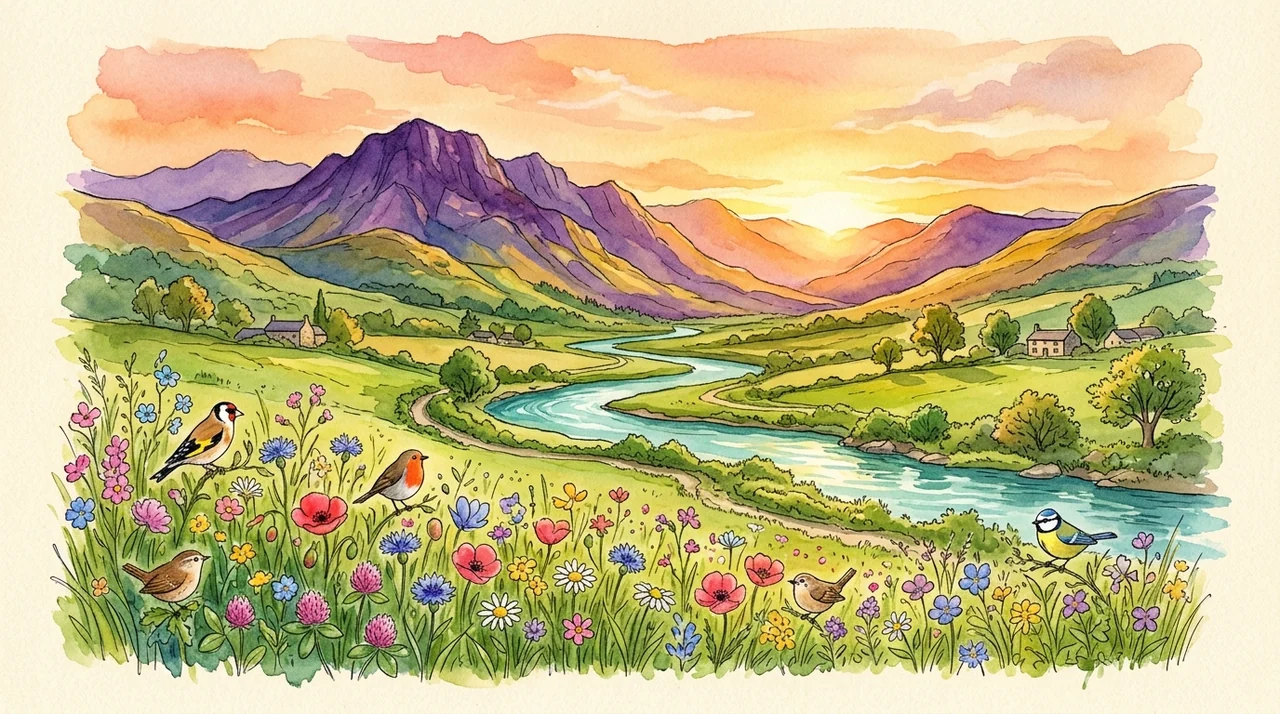
C. F. Alexander କବିତାରେ ସୃଷ୍ଟିକର୍ତ୍ତାଙ୍କ ବିଭିନ୍ନ ସୁନ୍ଦର ସୃଷ୍ଟିକୁ ଆଖି ଆଗରେ ଆଙ୍କିଛନ୍ତି। ରଙ୍ଗିନ ଫୁଲ, ଛୋଟ ପକ୍ଷୀ, ବାଇଗଣୀ-ଶୀର୍ଷ ପର୍ବତ (purple-headed mountain), ବହିଯାଉଥିବା ନଦୀ ଓ ସୂର୍ଯ୍ୟାସ୍ତର ରକ୍ତିମ ଆକାଶ ସବୁ ଏଠାରେ ଏକତ୍ର ଦୃଶ୍ୟମାନ।

A blooming wildflower meadow with small birds, a winding river, purple-headed mountains, and a glowing sunset sky.
  1. 1. Purple-headed mountain · ବାଇଗଣୀ-ଶୀର୍ଷ ପର୍ବତ
  2. 2. Sunset brightening the sky · ରକ୍ତିମ ସୂର୍ଯ୍ୟାସ୍ତ
  3. 3. The river running by · ବହିଯାଉଥିବା ନଦୀ
  4. 4. Glowing flowers & little birds · ଫୁଲ ଓ ପକ୍ଷୀ
AI illustration · Purple-headed mountain, river, flowers and glowing sunset
ମୂଳ ପୁସ୍ତକରେ ପଢ଼ନ୍ତୁ · PDF ପୃଷ୍ଠା ୧–୪

ଅଫ୍‌ଲାଇନ୍ ଡାଉନଲୋଡ୍:HTML ପୃଷ୍ଠାJavaScript ତଥ୍ୟ

ସଂକ୍ଷିପ୍ତ ଟିପ୍ପଣୀ

୧ଟି ବିଷୟ

୧କ୍ରମ ମନେ ରଖନ୍ତୁ

ସୃଷ୍ଟି → ଫୁଲ ଓ ପକ୍ଷୀ → ପର୍ବତ ଓ ଆକାଶ → ଋତୁ → ବନ ଓ ପଡ଼ିଆ → ମଣିଷର କୃତଜ୍ଞତା।

english/skills-of-communicative-english/source.pdf · ପୃଷ୍ଠା ୧–୨

ଅଫ୍‌ଲାଇନ୍ ଡାଉନଲୋଡ୍:HTML ପୃଷ୍ଠାJavaScript ତଥ୍ୟ

ଶବ୍ଦାର୍ଥ

୩ଟି ବିଷୟ

୧meadow

ଘାସରେ ଆଚ୍ଛାଦିତ ଖୋଲା ପଡ଼ିଆ।

english/skills-of-communicative-english/source.pdf · ପୃଷ୍ଠା ୩

୨rushes

ଜଳକୂଳରେ ବଢ଼ୁଥିବା ଗଛ। କେତେକରୁ ଆସନ ଓ ଝୁଡ଼ି ତିଆରି ହୁଏ।

english/skills-of-communicative-english/source.pdf · ପୃଷ୍ଠା ୩

୩purple-headed

ଅସ୍ତସୂର୍ଯ୍ୟର ଆଲୋକରେ ପର୍ବତର ଶୀର୍ଷ ବାଇଗଣୀ ଦେଖାଯାଏ।

english/skills-of-communicative-english/source.pdf · ପୃଷ୍ଠା ୩

ଅଫ୍‌ଲାଇନ୍ ଡାଉନଲୋଡ୍:HTML ପୃଷ୍ଠାJavaScript ତଥ୍ୟ

ବହୁବିକଳ୍ପ ପ୍ରଶ୍ନ

୨୮ଟି ବିଷୟ

୧Where do the children play?

ଆଦର୍ଶ ପ୍ରଶ୍ନପତ୍ର · ସେଟ୍ ୧, ଭାଗ ୧, ପ୍ରଶ୍ନ ୧୨ (୧ ନମ୍ବର)

ଉତ୍ତର ଦେଖନ୍ତୁ

B. In the meadows

ପଡ଼ିଆରେ ଖେଳିବା ଓ ଜଳକୂଳରେ ଗଛ ସଂଗ୍ରହ କରିବା ଦୁଇଟି ଅଲଗା କାମ।

english/skills-of-communicative-english/source.pdf · ପୃଷ୍ଠା ୨

୨Which pair describes the gifts in the last stanza?

ଆଦର୍ଶ ପ୍ରଶ୍ନପତ୍ର · ସେଟ୍ ୧, ଭାଗ ୧, ପ୍ରଶ୍ନ ୧୩ (୧ ନମ୍ବର)

ଉତ୍ତର ଦେଖନ୍ତୁ

C. Eyes and lips

ଆଖି ଦେଖେ ଓ ଓଠ ସ୍ରଷ୍ଟାଙ୍କ ପ୍ରଶଂସା ବ୍ୟକ୍ତ କରେ।

english/skills-of-communicative-english/source.pdf · ପୃଷ୍ଠା ୨

୩What explains the colour on the mountain top?

ଆଦର୍ଶ ପ୍ରଶ୍ନପତ୍ର · ସେଟ୍ ୧, ଭାଗ ୧, ପ୍ରଶ୍ନ ୧୬ (୧ ନମ୍ବର)

ଉତ୍ତର ଦେଖନ୍ତୁ

D. Light from the setting sun

ସୂର୍ଯ୍ୟାସ୍ତର ଆଲୋକ ଶୀର୍ଷକୁ ବାଇଗଣୀ ଦେଖାଏ।

english/skills-of-communicative-english/source.pdf · ପୃଷ୍ଠା ୨–୩

୪Which observation appeals particularly to the sense of hearing?

ଆଦର୍ଶ ପ୍ରଶ୍ନପତ୍ର · ସେଟ୍ ୧, ଭାଗ ୧, ପ୍ରଶ୍ନ ୧୭ (୧ ନମ୍ବର)

ଉତ୍ତର ଦେଖନ୍ତୁ

A. The little bird singing

ପକ୍ଷୀର ସ୍ୱର ଶୁଣାଯାଏ; ଅନ୍ୟ ତିନୋଟି ଦୃଶ୍ୟ ଚିତ୍ର।

english/skills-of-communicative-english/source.pdf · ପୃଷ୍ଠା ୨

୫What is set beside the winter wind in the poem?

ଆଦର୍ଶ ପ୍ରଶ୍ନପତ୍ର · ସେଟ୍ ୧, ଭାଗ ୧, ପ୍ରଶ୍ନ ୧୮ (୧ ନମ୍ବର)

ଉତ୍ତର ଦେଖନ୍ତୁ

B. The pleasant summer sun

ଦୁଇ ଋତୁର ଅନୁଭବକୁ ଏକ ସ୍ତବକରେ ରଖାଯାଇଛି।

english/skills-of-communicative-english/source.pdf · ପୃଷ୍ଠା ୨

୬Which plant is gathered at the waterside?

ଆଦର୍ଶ ପ୍ରଶ୍ନପତ୍ର · ସେଟ୍ ୧, ଭାଗ ୧, ପ୍ରଶ୍ନ ୧୯ (୧ ନମ୍ବର)

ଉତ୍ତର ଦେଖନ୍ତୁ

C. Rushes

ଜଳକୂଳର rushes ସଂଗ୍ରହ କରାଯାଏ।

english/skills-of-communicative-english/source.pdf · ପୃଷ୍ଠା ୨–୩

୭Which example links a living creature with a tiny visible feature?

ଆଦର୍ଶ ପ୍ରଶ୍ନପତ୍ର · ସେଟ୍ ୨, ଭାଗ ୧, ପ୍ରଶ୍ନ ୧୧ (୧ ନମ୍ବର)

ଉତ୍ତର ଦେଖନ୍ତୁ

D. Bird and wings

ଛୋଟ ପକ୍ଷୀର ଡେଣା ସୃଷ୍ଟିର ସୂକ୍ଷ୍ମତା ଦେଖାଏ।

english/skills-of-communicative-english/source.pdf · ପୃଷ୍ଠା ୧–୨

୮What does “green wood” refer to in the scene?

ଆଦର୍ଶ ପ୍ରଶ୍ନପତ୍ର · ସେଟ୍ ୨, ଭାଗ ୧, ପ୍ରଶ୍ନ ୧୨ (୧ ନମ୍ବର)

ଉତ୍ତର ଦେଖନ୍ତୁ

C. A wooded place with tall trees

ଗଛଗଛାଳିରେ ଭରା ବନର ଚିତ୍ର।

english/skills-of-communicative-english/source.pdf · ପୃଷ୍ଠା ୨

୯Which image belongs to the garden?

ଆଦର୍ଶ ପ୍ରଶ୍ନପତ୍ର · ସେଟ୍ ୨, ଭାଗ ୧, ପ୍ରଶ୍ନ ୧୩ (୧ ନମ୍ବର)

ଉତ୍ତର ଦେଖନ୍ତୁ

B. Ripe fruit

ବଗିଚାରେ ପାଚିଥିବା ଫଳର ଉଦାହରଣ ଅଛି।

english/skills-of-communicative-english/source.pdf · ପୃଷ୍ଠା ୨

୧୦What do morning and sunset have in common in the poem?

ଆଦର୍ଶ ପ୍ରଶ୍ନପତ୍ର · ସେଟ୍ ୨, ଭାଗ ୧, ପ୍ରଶ୍ନ ୧୪ (୧ ନମ୍ବର)

ଉତ୍ତର ଦେଖନ୍ତୁ

A. They brighten the sky

କବି ଦୁଇ ସମୟର ଆକାଶର ଆଲୋକକୁ ପାଖାପାଖି ରଖିଛନ୍ତି।

english/skills-of-communicative-english/source.pdf · ପୃଷ୍ଠା ୨

୧୧The move from mountain to little bird chiefly conveys ___.

ଆଦର୍ଶ ପ୍ରଶ୍ନପତ୍ର · ସେଟ୍ ୨, ଭାଗ ୧, ପ୍ରଶ୍ନ ୧୫ (୧ ନମ୍ବର)

ଉତ୍ତର ଦେଖନ୍ତୁ

D. variety in creation

ବଡ଼ ଓ ଛୋଟ ଉଭୟକୁ ଏକ ସୃଷ୍ଟିର ଅଂଶ ଭାବେ ଦେଖାଯାଇଛି।

english/skills-of-communicative-english/source.pdf · ପୃଷ୍ଠା ୧–୨

୧୨Who is credited with making both great and small creatures?

ଆଦର୍ଶ ପ୍ରଶ୍ନପତ୍ର · ସେଟ୍ ୩, ଭାଗ ୧, ପ୍ରଶ୍ନ ୧୨ (୧ ନମ୍ବର)

ଉତ୍ତର ଦେଖନ୍ତୁ

A. The Lord God

ସମସ୍ତ ସୃଷ୍ଟିର ଉତ୍ସ ଭାବେ କବି ଭଗବାନଙ୍କୁ ଦେଖନ୍ତି।

english/skills-of-communicative-english/source.pdf · ପୃଷ୍ଠା ୧

୧୩Which natural feature is described as running by?

ଆଦର୍ଶ ପ୍ରଶ୍ନପତ୍ର · ସେଟ୍ ୩, ଭାଗ ୧, ପ୍ରଶ୍ନ ୧୩ (୧ ନମ୍ବର)

ଉତ୍ତର ଦେଖନ୍ତୁ

D. The river

ପର୍ବତ ସହିତ ନଦୀର ପ୍ରବାହ ଉଲ୍ଲେଖ ଅଛି।

english/skills-of-communicative-english/source.pdf · ପୃଷ୍ଠା ୨

୧୪Which qualities are paired with the flowers and the birds respectively?

ଆଦର୍ଶ ପ୍ରଶ୍ନପତ୍ର · ସେଟ୍ ୩, ଭାଗ ୧, ପ୍ରଶ୍ନ ୧୪ (୧ ନମ୍ବର)

ଉତ୍ତର ଦେଖନ୍ତୁ

C. Glowing colours and tiny wings

ଫୁଲର ରଙ୍ଗ ଓ ପକ୍ଷୀର ଡେଣା ଉପରେ କବିଙ୍କ ଧ୍ୟାନ।

english/skills-of-communicative-english/source.pdf · ପୃଷ୍ଠା ୨

୧୫Who gathers the plants described near the water?

ଆଦର୍ଶ ପ୍ରଶ୍ନପତ୍ର · ସେଟ୍ ୩, ଭାଗ ୧, ପ୍ରଶ୍ନ ୧୫ (୧ ନମ୍ବର)

ଉତ୍ତର ଦେଖନ୍ତୁ

B. The people represented by “we”

କବି we ଦ୍ୱାରା ମଣିଷଙ୍କ କାମକୁ ଯୋଡ଼ିଛନ୍ତି।

english/skills-of-communicative-english/source.pdf · ପୃଷ୍ଠା ୨

୧୬Which statement best links the last stanza to the opening?

ଆଦର୍ଶ ପ୍ରଶ୍ନପତ୍ର · ସେଟ୍ ୩, ଭାଗ ୧, ପ୍ରଶ୍ନ ୧୬ (୧ ନମ୍ବର)

ଉତ୍ତର ଦେଖନ୍ତୁ

A. The maker named at first is praised at the end

ଆରମ୍ଭର ସ୍ରଷ୍ଟାଙ୍କ ପ୍ରତି ଶେଷରେ କୃତଜ୍ଞତା ପ୍ରକାଶ।

english/skills-of-communicative-english/source.pdf · ପୃଷ୍ଠା ୨

୧୭A pupil calls a meadow a dense wood. Which feature corrects the mistake?

ଆଦର୍ଶ ପ୍ରଶ୍ନପତ୍ର · ସେଟ୍ ୩, ଭାଗ ୧, ପ୍ରଶ୍ନ ୧୭ (୧ ନମ୍ବର)

ଉତ୍ତର ଦେଖନ୍ତୁ

D. It is an open grassy area

glossaryରେ meadow ଖୋଲା ଘାସ ପଡ଼ିଆ।

english/skills-of-communicative-english/source.pdf · ପୃଷ୍ଠା ୩

୧୮Why is it inaccurate to call the mountain itself purple throughout?

ଆଦର୍ଶ ପ୍ରଶ୍ନପତ୍ର · ସେଟ୍ ୪, ଭାଗ ୧, ପ୍ରଶ୍ନ ୧୧ (୧ ନମ୍ବର)

ଉତ୍ତର ଦେଖନ୍ତୁ

B. The colour described is on its sunlit top

ଏହା ଆଲୋକର ବିଶେଷ ଦୃଶ୍ୟ।

english/skills-of-communicative-english/source.pdf · ପୃଷ୍ଠା ୨–୩

୧୯Which description pairs an action with its matching subject?

ଆଦର୍ଶ ପ୍ରଶ୍ନପତ୍ର · ସେଟ୍ ୪, ଭାଗ ୧, ପ୍ରଶ୍ନ ୧୨ (୧ ନମ୍ବର)

ଉତ୍ତର ଦେଖନ୍ତୁ

A. A flower opens

ଫୁଲ ଫୁଟିବା ଓ ପକ୍ଷୀ ଗାଇବା ସୃଷ୍ଟିର ଦୁଇ ଦୃଶ୍ୟ।

english/skills-of-communicative-english/source.pdf · ପୃଷ୍ଠା ୧–୨

୨୦Which expression includes creatures of every size?

ଆଦର୍ଶ ପ୍ରଶ୍ନପତ୍ର · ସେଟ୍ ୪, ଭାଗ ୧, ପ୍ରଶ୍ନ ୧୩ (୧ ନମ୍ବର)

ଉତ୍ତର ଦେଖନ୍ତୁ

D. Great and small

great ଓ small ପରିସରର ଦୁଇ ପ୍ରାନ୍ତ ସୂଚାଏ।

english/skills-of-communicative-english/source.pdf · ପୃଷ୍ଠା ୧–୨

୨୧What does the speaker call pleasant?

ଆଦର୍ଶ ପ୍ରଶ୍ନପତ୍ର · ସେଟ୍ ୪, ଭାଗ ୧, ପ୍ରଶ୍ନ ୧୪ (୧ ନମ୍ବର)

ଉତ୍ତର ଦେଖନ୍ତୁ

C. The summer sun

ଗ୍ରୀଷ୍ମ ସୂର୍ଯ୍ୟର ଉଷ୍ଣତାକୁ ଏଠି ସୁଖଦ କୁହାଯାଇଛି।

english/skills-of-communicative-english/source.pdf · ପୃଷ୍ଠା ୨

୨୨Which two lines of thought meet at the close?

ଆଦର୍ଶ ପ୍ରଶ୍ନପତ୍ର · ସେଟ୍ ୪, ଭାଗ ୧, ପ୍ରଶ୍ନ ୧୫ (୧ ନମ୍ବର)

ଉତ୍ତର ଦେଖନ୍ତୁ

B. Human senses and praise of creation’s maker

ଦେଖିବା ଓ ପ୍ରଶଂସା ପ୍ରକାଶ କରିବା ଏକାଠି ଆସେ।

english/skills-of-communicative-english/source.pdf · ପୃଷ୍ଠା ୨

୨୩Which is the broadest statement of the poem’s theme?

ଆଦର୍ଶ ପ୍ରଶ୍ନପତ୍ର · ସେଟ୍ ୫, ଭାଗ ୧, ପ୍ରଶ୍ନ ୧୧ (୧ ନମ୍ବର)

ଉତ୍ତର ଦେଖନ୍ତୁ

C. Gratitude for the whole of creation

ଅନେକ ଉଦାହରଣ ଏକାଠି ସୃଷ୍ଟିକର୍ତ୍ତାଙ୍କ ମହତ୍ତ୍ୱ ବୁଝାଏ।

english/skills-of-communicative-english/source.pdf · ପୃଷ୍ଠା ୧–୨

୨୪Which feature belongs to winter in the poem?

ଆଦର୍ଶ ପ୍ରଶ୍ନପତ୍ର · ସେଟ୍ ୫, ଭାଗ ୧, ପ୍ରଶ୍ନ ୧୨ (୧ ନମ୍ବର)

ଉତ୍ତର ଦେଖନ୍ତୁ

B. Cold wind

ଶୀତର ଥଣ୍ଡା ପବନକୁ ଗ୍ରୀଷ୍ମ ଖରା ପାଖରେ ରଖାଯାଇଛି।

english/skills-of-communicative-english/source.pdf · ପୃଷ୍ଠା ୨

୨୫Which line of observation moves attention from nature to people?

ଆଦର୍ଶ ପ୍ରଶ୍ନପତ୍ର · ସେଟ୍ ୫, ଭାଗ ୧, ପ୍ରଶ୍ନ ୧୩ (୧ ନମ୍ବର)

ଉତ୍ତର ଦେଖନ୍ତୁ

A. People receive the power to see

ଶେଷ ସ୍ତବକରେ ସୃଷ୍ଟିକୁ ଅନୁଭବ କରୁଥିବା ମଣିଷ ଆସନ୍ତି।

english/skills-of-communicative-english/source.pdf · ପୃଷ୍ଠା ୨

୨୬Which place is matched with a use in the textbook glossary?

ଆଦର୍ଶ ପ୍ରଶ୍ନପତ୍ର · ସେଟ୍ ୫, ଭାଗ ୧, ପ୍ରଶ୍ନ ୧୪ (୧ ନମ୍ବର)

ଉତ୍ତର ଦେଖନ୍ତୁ

D. Waterside plants — making baskets

କେତେକ rushesରୁ ଝୁଡ଼ି ବା ଆସନ ହୁଏ।

english/skills-of-communicative-english/source.pdf · ପୃଷ୍ଠା ୨–୩

୨୭What does the phrase describing tall trees locate?

ଆଦର୍ଶ ପ୍ରଶ୍ନପତ୍ର · ସେଟ୍ ୫, ଭାଗ ୧, ପ୍ରଶ୍ନ ୧୫ (୧ ନମ୍ବର)

ଉତ୍ତର ଦେଖନ୍ତୁ

C. A green wood

ଉଚ୍ଚ ଗଛ ବନରେ ଦେଖାଯାଏ।

english/skills-of-communicative-english/source.pdf · ପୃଷ୍ଠା ୨

୨୮Which trait of the maker is affirmed by the speaker at the end?

ଆଦର୍ଶ ପ୍ରଶ୍ନପତ୍ର · ସେଟ୍ ୫, ଭାଗ ୧, ପ୍ରଶ୍ନ ୧୬ (୧ ନମ୍ବର)

ଉତ୍ତର ଦେଖନ୍ତୁ

B. Greatness

ସୁନ୍ଦର ସୃଷ୍ଟିରୁ ସ୍ରଷ୍ଟାଙ୍କ ମହତ୍ତ୍ୱ ବୁଝାଯାଏ।

english/skills-of-communicative-english/source.pdf · ପୃଷ୍ଠା ୧–୨

ଅଫ୍‌ଲାଇନ୍ ଡାଉନଲୋଡ୍:HTML ପୃଷ୍ଠାJavaScript ତଥ୍ୟ

ବର୍ଣ୍ଣନାମୂଳକ ପ୍ରଶ୍ନ

୧୧ଟି ବିଷୟ

୧How does the poem move from description to gratitude?

ଉତ୍ତର ଦେଖନ୍ତୁ

First the speaker notices details such as a bird’s wings, light on the hills and fruit in the garden. She then thinks of the eyes that see them and the lips that can praise their maker. ଅର୍ଥାତ୍ ସୃଷ୍ଟିକୁ ଲକ୍ଷ୍ୟ କରିବାରୁ କୃତଜ୍ଞତା ଜନ୍ମେ।

english/skills-of-communicative-english/source.pdf · ପୃଷ୍ଠା ୧–୨

୨How do small details lead the speaker of “All Things Bright and Beautiful” to praise God?

ଆଦର୍ଶ ପ୍ରଶ୍ନପତ୍ର · ସେଟ୍ ୧, ଭାଗ ୨, ପ୍ରଶ୍ନ ୧ (b) · ବିକଳ୍ପ ୧ (୫ ନମ୍ବର)

ଉତ୍ତର ଦେଖନ୍ତୁ

The speaker begins with creation as a whole. Then she attends to the colours of a flower and the wings of a little bird. The changing sky, trees and waterside plants enlarge her view. She finally turns to the human eyes that can take these things in and the lips that can speak of them. Thus familiar sights lead her to acknowledge both creation and the power to appreciate it.

english/skills-of-communicative-english/source.pdf · ପୃଷ୍ଠା ୧–୨

୩What do the gifts of eyes and lips enable people to do?

ଆଦର୍ଶ ପ୍ରଶ୍ନପତ୍ର · ସେଟ୍ ୧, ଭାଗ ୨, ପ୍ରଶ୍ନ ୨ (ii) (୨.୫ ନମ୍ବର)

ଉତ୍ତର ଦେଖନ୍ତୁ

Eyes enable people to notice the varied beauty of creation. Lips enable them to express their gratitude and tell of the greatness of its maker. ଦେଖିବା ଓ ପ୍ରଶଂସା କରିବା—ଦୁଇ କାମ ଉଲ୍ଲେଖ କରନ୍ତୁ।

english/skills-of-communicative-english/source.pdf · ପୃଷ୍ଠା ୨

୪How do scale and variety contribute to the poet’s idea of creation?

ଆଦର୍ଶ ପ୍ରଶ୍ନପତ୍ର · ସେଟ୍ ୨, ଭାଗ ୨, ପ୍ରଶ୍ନ ୧ (b) (୫ ନମ୍ବର)

ଉତ୍ତର ଦେଖନ୍ତୁ

The poem takes account of tiny wings and little flowers as well as mountains, rivers and the sky. Its attention also moves between contrasts such as cold wind and pleasant sunshine. These changes of scale suggest that no part of creation is too small or too familiar to matter. The human ability to see such variety becomes a reason to praise the maker of all. ଛୋଟ ଓ ବଡ଼ରୁ ଦୁଇଟି ସ୍ପଷ୍ଟ ଦୃଷ୍ଟାନ୍ତ ଦିଅନ୍ତୁ।

english/skills-of-communicative-english/source.pdf · ପୃଷ୍ଠା ୧–୨

୫How does the poem use the changing seasons?

ଆଦର୍ଶ ପ୍ରଶ୍ନପତ୍ର · ସେଟ୍ ୨, ଭାଗ ୨, ପ୍ରଶ୍ନ ୨ (ii) · ବିକଳ୍ପ ୧ (୨.୫ ନମ୍ବର)

ଉତ୍ତର ଦେଖନ୍ତୁ

The cold winter wind and the pleasant summer sun offer different sensations. By attending to both, the speaker finds the maker’s work throughout the changing year.

english/skills-of-communicative-english/source.pdf · ପୃଷ୍ଠା ୨

୬Why does the speaker place everyday human activities among the natural sights?

ଆଦର୍ଶ ପ୍ରଶ୍ନପତ୍ର · ସେଟ୍ ୩, ଭାଗ ୨, ପ୍ରଶ୍ନ ୧ (b) · ବିକଳ୍ପ ୧ (୫ ନମ୍ବର)

ଉତ୍ତର ଦେଖନ୍ତୁ

After mountains, rivers, weather and fruit, the poem shows people playing in meadows and gathering plants by the water. These actions bring the large description close to ordinary life. The people who enjoy the landscape also possess the senses through which they know it. The final praise therefore grows naturally from the scenes before it.

english/skills-of-communicative-english/source.pdf · ପୃଷ୍ଠା ୧–୨

୭Why does the poet include the small as well as the great?

ଆଦର୍ଶ ପ୍ରଶ୍ନପତ୍ର · ସେଟ୍ ୩, ଭାଗ ୨, ପ୍ରଶ୍ନ ୨ (ii) (୨.୫ ନମ୍ବର)

ଉତ୍ତର ଦେଖନ୍ତୁ

A tiny wing or the colour of a flower shows care just as the sight of a great mountain does. The range of examples supports the idea that the same maker created all things. ଆକାର ଭିନ୍ନ ହେଲେ ମଧ୍ୟ ସୃଷ୍ଟିର ମୂଲ୍ୟ ରହେ।

english/skills-of-communicative-english/source.pdf · ପୃଷ୍ଠା ୧–୨

୮Explain the role of light and colour in the poem about creation.

ଆଦର୍ଶ ପ୍ରଶ୍ନପତ୍ର · ସେଟ୍ ୪, ଭାଗ ୨, ପ୍ରଶ୍ନ ୧ (b) (୫ ନମ୍ବର)

ଉତ୍ତର ଦେଖନ୍ତୁ

Colour appears first in the small opening flower. The scene then expands to a mountain top coloured by the setting sun and to a sky brightened at different times of day. The trees and meadows add familiar shades closer to human activity. These visible details prepare the last stanza: eyes allow people to see such things, and lips can express appreciation of their maker. ଶେଷର eyes ସହିତ ଆଗର ଦୃଶ୍ୟ ଯୋଡ଼ନ୍ତୁ।

english/skills-of-communicative-english/source.pdf · ପୃଷ୍ଠା ୧–୨

୯What do the meadows and the plants by water show about the speaker’s surroundings?

ଆଦର୍ଶ ପ୍ରଶ୍ନପତ୍ର · ସେଟ୍ ୪, ଭାଗ ୨, ପ୍ରଶ୍ନ ୨ (ii) · ବିକଳ୍ପ ୧ (୨.୫ ନମ୍ବର)

ଉତ୍ତର ଦେଖନ୍ତୁ

They show a landscape people actually use. The meadows offer space to play, and the waterside plants are gathered. Praise arises from ordinary experience as well as grand sights.

english/skills-of-communicative-english/source.pdf · ପୃଷ୍ଠା ୨–୩

୧୦Show how the poem turns a simple list of things into a statement of belief.

ଆଦର୍ଶ ପ୍ରଶ୍ନପତ୍ର · ସେଟ୍ ୫, ଭାଗ ୨, ପ୍ରଶ୍ନ ୧ (b) · ବିକଳ୍ପ ୧ (୫ ନମ୍ବର)

ଉତ୍ତର ଦେଖନ୍ତୁ

The first stanza names one maker for the whole variety of living things. Later stanzas supply particular examples instead of merely repeating that claim. Flowers, birds, the changing sky and the places where people play make it concrete. The final stanza includes human perception and speech among the gifts, allowing the speaker to express gratitude for everything described.

english/skills-of-communicative-english/source.pdf · ପୃଷ୍ଠା ୧–୨

୧୧How does knowledge of the word “rushes” clarify the waterside scene?

ଆଦର୍ଶ ପ୍ରଶ୍ନପତ୍ର · ସେଟ୍ ୫, ଭାଗ ୨, ପ୍ରଶ୍ନ ୨ (ii) (୨.୫ ନମ୍ବର)

ଉତ୍ତର ଦେଖନ୍ତୁ

Rushes are plants that grow near water. Knowing that some can be used for weaving explains why the people in the poem gather them. ଶବ୍ଦାର୍ଥରୁ ସ୍ଥାନ ଓ କାମ ଉଭୟ ସ୍ପଷ୍ଟ।

english/skills-of-communicative-english/source.pdf · ପୃଷ୍ଠା ୨–୩

ଅଫ୍‌ଲାଇନ୍ ଡାଉନଲୋଡ୍:HTML ପୃଷ୍ଠାJavaScript ତଥ୍ୟ

ଅନୁଶୀଳନୀ ସମାଧାନ

୧୪ଟି ବିଷୟ
ପ୍ରଶ୍ନ ସଂଖ୍ୟା ବାଛନ୍ତୁ (୧୪)

A–B · Lead-in and listeningWhat answer does the poem give about creation and the senses? Listen for its sound pattern.

ଉତ୍ତର ଦେଖନ୍ତୁ

In the hymn the Lord God made the world and gave us eyes with which to see it. First listen for the repeated all; then use the page to follow how the list moves from little things to large scenes. ଉତ୍ତରରେ କବିଙ୍କ ଧାରଣା ଦେଖାଅ; ସ୍ୱରରେ ଭକ୍ତି ଓ କୃତଜ୍ଞତା ଧର।

“All” ବାରମ୍ବାର ଶୁଣିଲେ ଛୋଟ ଓ ବଡ଼ ସବୁ ସୃଷ୍ଟି ଏକାଠି ଆସୁଥିବା ବୁଝାଯାଏ। ଶେଷ ସ୍ତବକର “eyes” ଓ “lips”ରେ ସ୍ରଷ୍ଟାଙ୍କ ଉପହାର ପାଇଥିବା ମଣିଷ ନିଜେ ଏହି ଚିତ୍ରରେ ପ୍ରବେଶ କରେ।

ମୂଳ ପୁସ୍ତକରେ ପଢ଼ନ୍ତୁ · PDF ପୃଷ୍ଠା ୧

F. 1–3How does the poet see creation, who made it and which small things are named?

ଉତ୍ତର ଦେଖନ୍ତୁ

1. Things are bright, beautiful, wise or wonderful. 2. The Lord God made them. 3. Little flowers and little birds. ଫୁଲ ଓ ପକ୍ଷୀ ଏହି ସାଧାରଣ କଥାର ଉଦାହରଣ।

ଓଡ଼ିଆ ବୁଝାମଣା — ପ୍ରଥମ ସ୍ତବକର ସାଧାରଣ କଥା ପରେ ଫୁଲ ଓ ପକ୍ଷୀ ପରି ଛୋଟ ଉଦାହରଣ ଆସେ।

Bright ରଙ୍ଗ ବା ଆଲୋକ ମନେ ପକାଏ; small ଜିନିଷର ଆକାର ବୁଝାଏ। ଏକା ଫୁଲ ରଙ୍ଗ ପାଇଁ bright ଓ ଆକାର ପାଇଁ small ଉଭୟର ଉଦାହରଣ ହୋଇପାରେ।

ମୂଳ ପୁସ୍ତକରେ ପଢ଼ନ୍ତୁ · PDF ପୃଷ୍ଠା ୩

F. 4–7Describe the flowers, birds and the colour of the mountain.

ଉତ୍ତର ଦେଖନ୍ତୁ

4. The opening flowers have glowing colours. 5. The little birds sing and have tiny wings. 6. The top of the mountain looks purple. 7. The light of the setting sun gives it this colour.

ଓଡ଼ିଆ ବୁଝାମଣା — ବାଇଗଣୀ ରଙ୍ଗଟି ପର୍ବତର ମୁଣ୍ଡ ଉପରେ ସନ୍ଧ୍ୟା ଆଲୋକ ପଡ଼ିବାର ଫଳ।

“Glowing” ରଙ୍ଗର ଉଜ୍ଜ୍ୱଳତା, “tiny” ଡେଣାର ଆକାର, “purple-headed” ପାହାଡ଼ର ଶିଖରର ଦୃଶ୍ୟ। ପ୍ରତ୍ୟେକ adjective କେଉଁ nounକୁ ବର୍ଣ୍ଣନା କରୁଛି ଦେଖିଲେ mountain ଓ skyର ରଙ୍ଗ ମିଶିବ ନାହିଁ।

ମୂଳ ପୁସ୍ତକରେ ପଢ଼ନ୍ତୁ · PDF ପୃଷ୍ଠା ୩

F. 8–11What changes the sky, and which seasons are contrasted?

ଉତ୍ତର ଦେଖନ୍ତୁ

8. Sunset and morning light brighten the sky. 9. It glows in the light of the setting sun. 10. Winter and summer. 11. The summer sun gives welcome warmth after winter’s cold wind.

ଓଡ଼ିଆ ବୁଝାମଣା — ଗ୍ରୀଷ୍ମ ଖରାର ସୁଖ ଶୀତର ଥଣ୍ଡା ସହିତ ତୁଳନାରେ ଦିଶେ।

Sunset ଓ morning ଗୋଟିଏ ଦିନର ଭିନ୍ନ ସମୟ; winter ଓ summer ବର୍ଷର ଭିନ୍ନ ଋତୁ। ଥଣ୍ଡା ପବନ ଓ ମିଠା ଗ୍ରୀଷ୍ମ ସୂର୍ଯ୍ୟ ଉଭୟକୁ ସୃଷ୍ଟିର ଉଦାହରଣ କରି କବି ବିବିଧତା ଦେଖାନ୍ତି।

ମୂଳ ପୁସ୍ତକରେ ପଢ଼ନ୍ତୁ · PDF ପୃଷ୍ଠା ୩

F. 12–15What do the wood, meadow and waterside offer?

ଉତ୍ତର ଦେଖନ୍ତୁ

12. We enjoy the sight of the tall trees. 13. The meadow is a place to play. 14. Rushes grow by the water. 15. Some are gathered for making mats and baskets.

ଓଡ଼ିଆ ବୁଝାମଣା — ମନୋରଞ୍ଜନ ପାଇଁ ପଡ଼ିଆ ଓ ଗଛ ସଂଗ୍ରହ ପାଇଁ ଜଳକୂଳ—ଦୁଇଟି ଅଲଗା ସ୍ଥାନ।

Woodରେ trees, meadowରେ play, water ପାଖରେ rushes ସହ “gather”କୁ ଯୋଡ଼। Rushes ଏଠି ପାଣିକୂଳର ଗଛ; ତରତର ହେବା ଅର୍ଥର verb ନୁହେଁ।

ମୂଳ ପୁସ୍ତକରେ ପଢ଼ନ୍ତୁ · PDF ପୃଷ୍ଠା ୩–୪

G · Observation before Q1List the things pictured before classifying or discussing them.

ଉତ୍ତର ଦେଖନ୍ତୁ

Flowers, little birds, a mountain, a river, sunset and morning sky, winter wind, summer sun, ripe fruit, tall trees, meadows and rushes beside water. Eyes and lips appear at the end as the means of noticing and praising creation. ଛୋଟ ପ୍ରାଣୀ ଓ ବଡ଼ ଦୃଶ୍ୟକୁ ଦୁଇ ଧାଡ଼ିରେ ଅଲଗା କରିହେବ।

ପାଠର ଦୃଶ୍ୟକୁ ସ୍ଥାନ ଅନୁସାରେ ସଜାଅ। ଦୂର ଚିତ୍ରରେ mountain ଓ sky, ହାତ ପାଖରେ flowers ଓ rushes।

ଏହା ପରେ ଉଭୟ ଦୂରତାରେ ସୌନ୍ଦର୍ଯ୍ୟ ଦେଖାଯାଏ ବୋଲି କହିହେବ।

ମୂଳ ପୁସ୍ତକରେ ପଢ଼ନ୍ତୁ · PDF ପୃଷ୍ଠା ୪

F. 16–18Explain the purpose of eyes and lips and the poet’s description of God.

ଉତ୍ତର ଦେଖନ୍ତୁ

16. Eyes help us see creation. 17. Our lips can tell how great its maker is. 18. God is almighty and has made all things well.

ଓଡ଼ିଆ ବୁଝାମଣା — ଆଖି ଦ୍ୱାରା ଅନୁଭବ ଓ ଓଠ ଦ୍ୱାରା କୃତଜ୍ଞତା ପ୍ରକାଶ।

ପ୍ରଥମେ see, ତା’ପରେ tell। ଆଖି ଚିତ୍ରଗୁଡ଼ିକ ଦେଖେ; ଓଠ ସେଗୁଡ଼ିକର ସ୍ରଷ୍ଟାଙ୍କ ବିଷୟରେ କହେ।

ଏହି ଦୁଇ କାମ କହିଲେ ମଣିଷ କାହିଁକି କୃତଜ୍ଞ ତାହାର କାରଣ ମିଳେ।

ମୂଳ ପୁସ୍ତକରେ ପଢ଼ନ୍ତୁ · PDF ପୃଷ୍ଠା ୪

G. 1–4Distinguish bright and small things and explain the closing gratitude.

ଉତ୍ତର ଦେଖନ୍ତୁ

1. The sky and flowers provide bright images; tiny birds and flowers illustrate small things. 2. In the last stanza the speaker thanks the maker for sight and the capacity to speak. 3–4. It is a description serving as a hymn of praise: the natural examples lead to gratitude. ଶେଷ ସ୍ତବକର ସମ୍ପୂର୍ଣ୍ଣ ପଦ୍ୟ ଲେଖିବା ଆଗରୁ ତାହାର ଭାବ ଚିହ୍ନନ୍ତୁ।

ସୃଷ୍ଟିର କୌଣସି ଜିନିଷକୁ ଛୋଟ କହିବା ତାହାର ମୂଲ୍ୟ କମାଏ ନାହିଁ। ଫୁଲର ରଙ୍ଗ ଓ ଛୋଟ ପକ୍ଷୀର ଡେଣା ନିଜ ସ୍ଥାନରେ ସ୍ରଷ୍ଟାଙ୍କ ଯତ୍ନର ଦୁଇ ପ୍ରମାଣ।

ମୂଳ ପୁସ୍ତକରେ ପଢ଼ନ୍ତୁ · PDF ପୃଷ୍ଠା ୪

Activity IList the rhyming end words stanza by stanza.

ଉତ୍ତର ଦେଖନ୍ତୁ

small/all; sings/wings; by/sky; sun/every one; play/day; tell/well. ପ୍ରତି ସ୍ତବକର ଦ୍ୱିତୀୟ ଓ ଚତୁର୍ଥ ଧାଡ଼ିର ଶେଷ ଧ୍ୱନି ଶୁଣି ମେଳାନ୍ତୁ।

ଲିଖିତ ଶେଷ ଅକ୍ଷର ଅପେକ୍ଷା ଉଚ୍ଚାରଣ ଶୁଣ। by/skyର spelling ଭିନ୍ନ, କିନ୍ତୁ ସ୍ୱର ମିଳେ।

Sings/wingsରେ ଶେଷ ବ୍ୟଞ୍ଜନ ଧ୍ୱନି ମଧ୍ୟ ମିଳେ।

ମୂଳ ପୁସ୍ତକରେ ପଢ଼ନ୍ତୁ · PDF ପୃଷ୍ଠା ୪

Activity II (a), (b)Complete the two rhyming sequences.

ଉତ୍ତର ଦେଖନ୍ତୁ

(a) wings, fly, sings, sky. (b) green, play, clean, every day. fly/sky ଓ green/clean ଶେଷ ଧ୍ୱନିରେ ମେଳ ଖାଉଛି।

ଓଡ଼ିଆ ବୁଝାମଣା — ଖାଲି ସ୍ଥାନରେ ଅର୍ଥ ସହିତ ଅନ୍ତ୍ୟମିଳ ମଧ୍ୟ ମେଳାନ୍ତୁ।

ପଦଟି ଅର୍ଥରେ ଖାପ ଖାଇଲା କି ପରଖି ତା’ପରେ ସାଥୀ ପଦ ସହ ଧ୍ୱନି ମିଳାଅ। Wings/sings ପରସ୍ପର ସହ ଓ fly/sky ପରସ୍ପର ସହ ମିଳନ୍ତି।

ଦ୍ୱିତୀୟରେ play/every day ଅନ୍ୟ ଯୋଡ଼ା।

ମୂଳ ପୁସ୍ତକରେ ପଢ଼ନ୍ତୁ · PDF ପୃଷ୍ଠା ୫

Activity III. 1–6Supply the senses and sense words.

ଉତ୍ତର ଦେଖନ୍ତୁ

1. hear; 2. eyes; 3. a tongue; 4. feel; 5. smell; 6. senses.

ଓଡ଼ିଆ ବୁଝାମଣା — ଇନ୍ଦ୍ରିୟ ଓ ତାହାର କାମକୁ ଯୋଡ଼ିଲେ ଠିକ୍ ଉତ୍ତର ମିଳେ।

Eyes ଓ tongue ଇନ୍ଦ୍ରିୟ ଅଙ୍ଗର ନାମ। Hear, feel, smell ସେମାନଙ୍କ କାମ ଜଣାଉଥିବା verb।

ଖାଲି ଜାଗା ପୂର୍ବରେ article ଅଛି କି ବା subject ପରେ verb ଲାଗୁଛି କି ଦେଖ।

ମୂଳ ପୁସ୍ତକରେ ପଢ଼ନ୍ତୁ · PDF ପୃଷ୍ଠା ୫

Activity IVFind the four clues in stanza 2 and compare the changed order.

ଉତ୍ତର ଦେଖନ୍ତୁ

The printed clue order is flower → colour → bird → wings. The poem’s order is flower → bird → colours → wings. Originally the two lines about the bird end with matching sounds (sings/wings) in positions 2 and 4. Moving the colour line up makes that pair adjacent instead. କ୍ରମ ବଦଳିଲେ ଅନ୍ତ୍ୟମିଳ କେଉଁ ଧାଡ଼ିରେ ଅଛି ତାହା ମଧ୍ୟ ବଦଳେ।

ମୂଳ ସ୍ତବକ ପ୍ରଥମେ ଦୁଇ ପ୍ରାଣବନ୍ତ ଚିତ୍ରକୁ ପରିଚୟ କରାଏ, ପରେ ରଙ୍ଗ ଓ ଡେଣା ଦେଖାଏ। ପରିବର୍ତ୍ତିତ କ୍ରମ ଫୁଲକୁ ତା’ର ରଙ୍ଗ ସହ ପକ୍ଷୀକୁ ତା’ର ଡେଣା ସହ ତୁରନ୍ତ ରଖେ।

ମୂଳ ପୁସ୍ତକରେ ପଢ଼ନ୍ତୁ · PDF ପୃଷ୍ଠା ୫–୬

H · Word gameModel a question and answer for a group’s word.

ଉତ୍ତର ଦେଖନ୍ତୁ

Word: meadow. Q: What do people do there in the poem? A: They play there. Word: mountain. Q: Which part looks purple?

A: Its top at sunset. ଗୋଷ୍ଠୀକୁ ଯେଉଁ ଶବ୍ଦ ମିଳେ ସେହି ଅନୁସାରେ ସାଥୀ ନୂଆ ପ୍ରଶ୍ନ କରିବେ।

ଭଲ ପ୍ରଶ୍ନରେ ଚିତ୍ରର ଗୋଟିଏ ଲକ୍ଷଣ ଚିହ୍ନଟ ହୁଏ। Meadow ପାଇଁ “What grows by the water?” ପଚାରିଲେ ଉତ୍ତର rushes ହେବ।

ତେଣୁ ସ୍ଥାନ ସହ କ୍ରିୟାର ଯୋଗ ପରଖ।

ମୂଳ ପୁସ୍ତକରେ ପଢ଼ନ୍ତୁ · PDF ପୃଷ୍ଠା ୬

I · WritingWrite a short note using the printed clues about trees.

ଉତ୍ତର ଦେଖନ୍ତୁ

Tree: A tree grows for years and gives shelter. Construction: Its timber can support a house. Furniture: Wood can be shaped into a table or chair. Rainfall: Woodlands and rainfall are linked; protecting trees helps protect the conditions in which they grow. Temperature: Shade makes the ground beneath a tree feel cooler. Soil erosion: Roots help hold soil in place. Deforestation: Cutting a wood removes its cover. Afforestation: Planting and caring for new trees can restore it. ଏଗୁଡ଼ିକ ଛପା ସଙ୍କେତ ଉପରେ ନମୁନା ବାକ୍ୟ; ନିଜେ ଦେଖିଥିବା ଗଛର ଉଦାହରଣ ଦେଇପାରିବ।

Clueଗୁଡ଼ିକୁ ଗୋଟିଏ ଅନୁଚ୍ଛେଦରେ ଯୋଡ଼ିବାର ନମୁନା: “A tree gives shade while it grows. Its timber can later be used in a house or in furniture. For these reasons we should care for trees.” ଏଠି ପ୍ରତି ବ୍ୟବହାର ସହ କାରଣର ଯୋଗ ଅଛି।
ମୂଳ ପୁସ୍ତକରେ ପଢ଼ନ୍ତୁ · PDF ପୃଷ୍ଠା ୬–୭

ଅଫ୍‌ଲାଇନ୍ ଡାଉନଲୋଡ୍:HTML ପୃଷ୍ଠାJavaScript ତଥ୍ୟ